

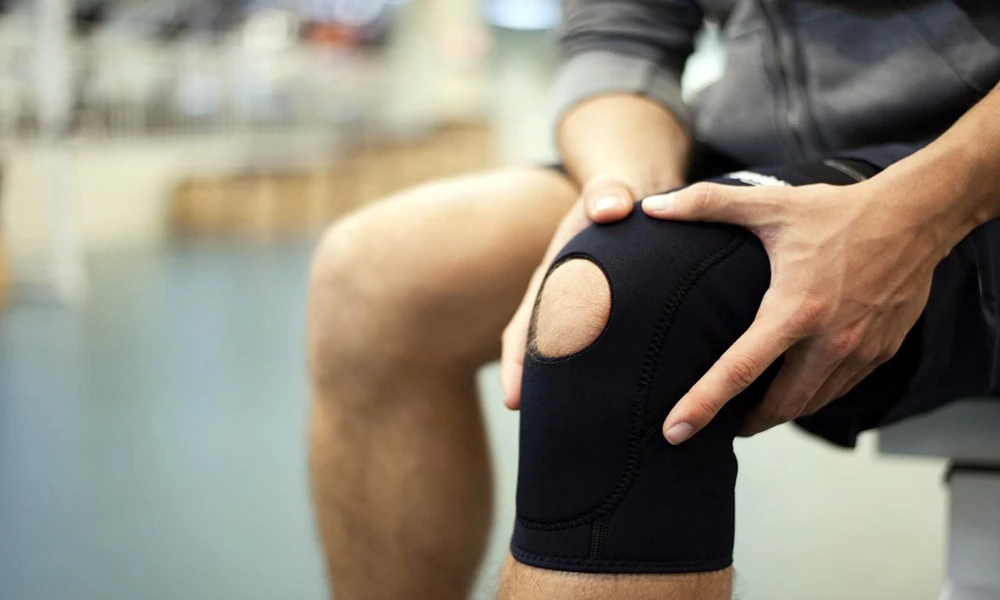
Every year a lot of people search for a go to solution for knee pain. They turn to the two most common options available in the market, knee caps and pain relief gels. A knee cap for pain relief is a mild compressive garment which provides warmth and support to the area.
A pain relief gel is an affordable chemical option available which is very popular among senior citizens. Many people don’t know the difference between them and use both simultaneously.
A compression sleeve offers mechanical support because it physically stabilizes the joint, whereas a pain relief gel treats the issue by superficial biochemical management.
But, when it comes to genuine support, which among both provides the desirable relief. Comparing both side by side reveals this isn’t any competition. It’s all about matching your needs with the support type.
Let’s explore!
How A Knee Cap Provides Support?
The best knee cap for pain relief primarily works by mechanical external compression and structural pressure. They physically stabilize the joint and limit harmful ranges of motion. It improves the brain’s awareness of the joint.
Core mechanism includes:
1. Gentle Compression
Knee caps can aid in
- Soft tissue healing
- Mild swelling reduction
- Improve movement
2. Mild Support
A knee cap supports the surrounding muscles and ligaments around the knee. This additional support may reduce strain during daily activities.
3. Improved Stability
Sometimes, due to knee injury awareness about the positioning of the joints reduces. It can lead to sudden instability. Wearing a supportive knee cap especially when walking or performing daily tasks can be beneficial.
4. Warmth
Some knee caps retain a small amount of body heat. This warmth may help reduce stiffness and mild swelling.
How Does A Pain Relief Gel Work?
Pain relief gels deliver active ingredients directly through skin to the pain origin site. Due to their topical application, they provide targeted relief with lesser side effects.
They generally fall into four categories based on their chemical mechanism:
1. Topical NSAIDs
Gels containing NSAIDs such as diclofenac soak deep through the skin layers into the underlying tissue.They block the COX enzymes This stops the production of prostaglandins which trigger swelling, throbbing and tissue inflammation.They are highly effective for localized arthritis or tendonitis
2. Counterirritants
- Ingredients like menthol and camphor cause a superficial irritation on the skin surface which creates an intense cooling or warming sensations.
- These sensation signals travel to the brain faster than the slow ache of muscle pain.
- The brain focuses on the temperature sensation instead of pain signals.
3. Local Anesthetics
- Gels formulated with local anaestheticsblock the sodium channels in nerve membranes.
- This interrupts the nerve’s ability to transmit pain signals to the central nervous system, leaving the area feeling numb.
4. Capsaicin Gels
- When first applied, it stimulates the pain receptors, causing a distinct burning or tingling feeling.
- With consistent use, capsaicin exhausts and depletes the neurotransmitter for chronic pain.
- Once drained, the area becomes desensitized to chronic conditions like nerve pain.
Side By Side Comparison
| FEATURE | KNEE CAP | PAIN RELIEF GEL |
|---|---|---|
| Mechanism | Mechanical support | Chemical interaction |
| Onset | Immediately after wearing | 15-30 minutes after application |
| Duration | Continuous until removed | Temporary, needs reapplication |
| Swelling Reduction | Good due to regular compression |
Limited only NSAIDS helps |
| Joint Stability | Yes | No |
| Localized Effect | Mild | Strong |
| Best for | During active movement of the joints | During acute inflammation |
How To Choose Among Both?
To choose between a knee cap and a pain relief gel, understand your injury needs. Whether it needs physical reinforcement or biochemical soothing.
Choose A Knee Cap if you are experiencing
- Joint instability and weakness because they can physically keep the joint aligned.
- Discomfort during high impact activity because they protect the joint against mechanical stress and improves coordination.
Choose A Pain Relief Gel if you are experiencing
- Swelling, throbbing pain or a burning sensation because it chemically penetrates the tissue to turn off pain receptors and stop inflammation at the source.
- Rest, recovery or bedtime pain because a gel works without any discomfort even while resting.
What Neither Of The Product Can Do
Wrapping Up
In comparison of both a knee cap and gel for pain relief, there isn’t a single winner. They just work differently from one another. A knee cap offers mechanical support which makes it a great choice for the active people who want light compression and support.
The pain relief gel provides localized pain relief along with anti-inflammatory action which makes it an ideal choice for fast soothing. The best approach to use while dealing with both of them is understanding the difference between them and incorporating it in routine accordingly. Plan their use in a broader light along with professional care. Both tools in their own ways are amazing to prevent and manage knee pain efficiently.
