

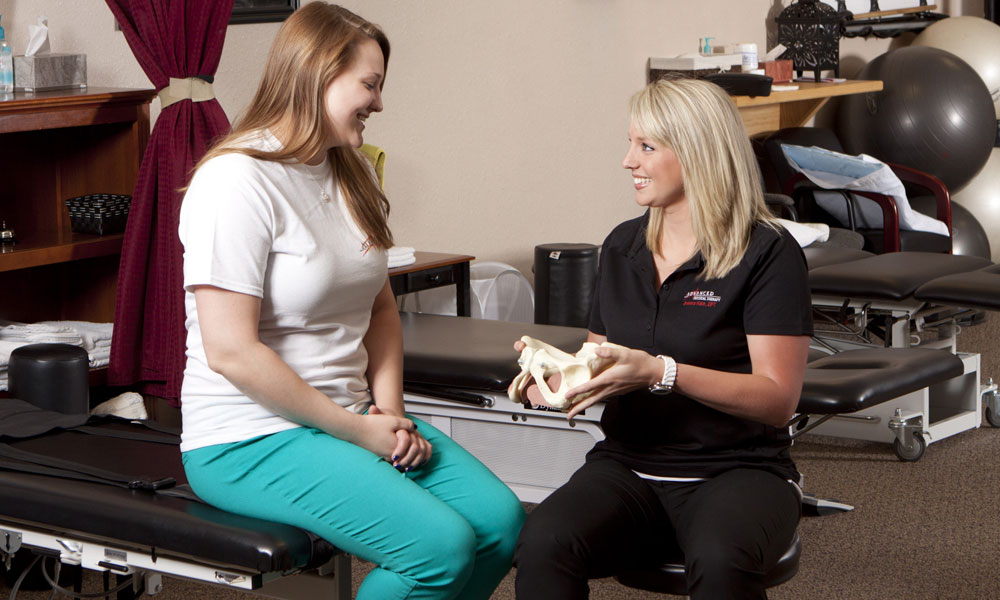
The journey of motherhood is a transformative experience filled with joy, challenges, and physical changes. One aspect of postpartum recovery that often goes overlooked is the importance of pelvic floor therapy. New mothers usually experience pelvic floor dysfunction, which can cause uncomfortable and sometimes debilitating symptoms. Many muscles, ligaments, and tissues make up the pelvic floor, which supports the bladder, uterus, and rectum. The muscles of the pelvis play an important role in maintaining continence and sexual function. During pregnancy and childbirth, the pelvic floor undergoes significant strain and stretching, which can lead to weakening and dysfunction.
Common postpartum pelvic floor issues
After giving birth, many women experience pelvic floor-related issues, such as:
- Urinary incontinence – Leakage of urine during activities like coughing, sneezing, or exercising.
- Fecal incontinence – Difficulty controlling bowel movements or passing gas.
- Pelvic organ prolapse – When the pelvic organs collapse into the vagina as a result of weakened pelvic floor muscles.
- Painful intercourse – Discomfort or pain during sexual activity.
- Pelvic pain – Pain in the pelvic region caused by muscle tension or scar tissue.
A woman’s physical and emotional well-being is negatively affected by these issues, which can impact her ability to enjoy daily activities and enjoy intimacy.
Role of pelvic floor therapy
Pelvic floor therapy aims to assess and treat dysfunctions of the pelvic floor. To address specific concerns, pelvic floor physical therapists perform assessments of the pelvic floor muscles. Treatment may include:
- Pelvic floor exercises (Kegels) – Targeted exercises to strengthen and improve control of the pelvic floor muscles.
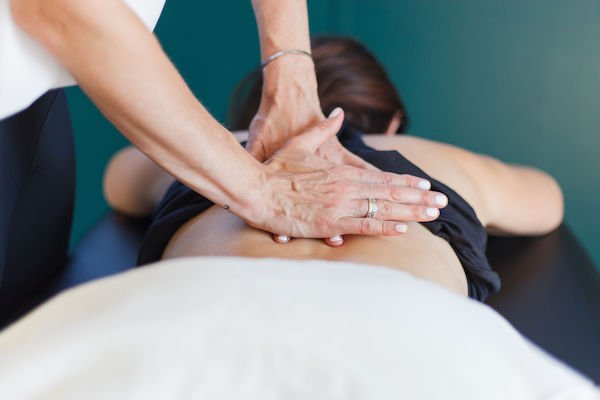
- Manual therapy – Hands-on techniques to release muscle tension and scar tissue and improve mobility.
- Biofeedback – A technique that uses sensors to help patients visualize and control their pelvic floor muscle activity.
- Electrical stimulation – The use of gentle electrical currents to stimulate and strengthen weak pelvic floor muscles.
- Education on proper body mechanics, posture, and breathing techniques to reduce strain on the pelvic floor.
Benefits of pelvic floor therapy
Engaging in pelvic floor therapy during postpartum recovery offers numerous benefits, such as:
- Reducing or eliminating urinary and fecal incontinence.
- Preventing or managing pelvic organ prolapse.
- Improving sexual function and reducing pain during intercourse.
- Reducing discomfort and pain in the pelvic area.
- Improving pelvic health and stability as a whole.
- Improving the posture and core strength of the body.
- Enhancing the quality of life and confidence of patients.
Access to pelvic floor therapy
Despite the clear benefits of pelvic floor therapy, many women are unaware of its importance or struggle to access specialized care. Pelvic Floor Physical Therapy in Columbus is available through expert therapists specializing in personalized care. They develop individualized treatment plans with new mothers based on their goals. If postpartum women experience persistent pelvic floor-related issues, they must listen to their bodies and seek help. While some degree of pelvic floor dysfunction is common after childbirth, symptoms that continue beyond six weeks postpartum warrant a consultation with a healthcare provider or pelvic floor physical therapist.
