

Key Highlights
- Excess oil can trap DHT and other toxins near the hair follicles, accelerating thinning.
- A greasy environment encourages fungal growth, which can lead to follicle inflammation.
- Clogged pores prevent the absorption of essential nutrients needed for hair growth.
- Using a specialised shampoo is a critical first step in managing oil-related hair loss.
Introduction
Many people view an oily scalp as merely an aesthetic issue that requires more frequent washing. However, there is a significant link between excessive oil production and the long-term health of your hair. If left unmanaged, the conditions created by an overactive scalp can eventually lead to oily scalp hair loss. This occurs when the natural balance of the skin is disrupted, creating a hostile environment for hair follicles. Understanding this connection is vital for anyone noticing a combination of greasy roots and thinning strands. Fortunately, by selecting the right hair shampoo for hair loss and adopting better scalp habits, you can mitigate these risks and keep your hair flourishing.
1. Inflammation Caused by Microbial Overgrowth
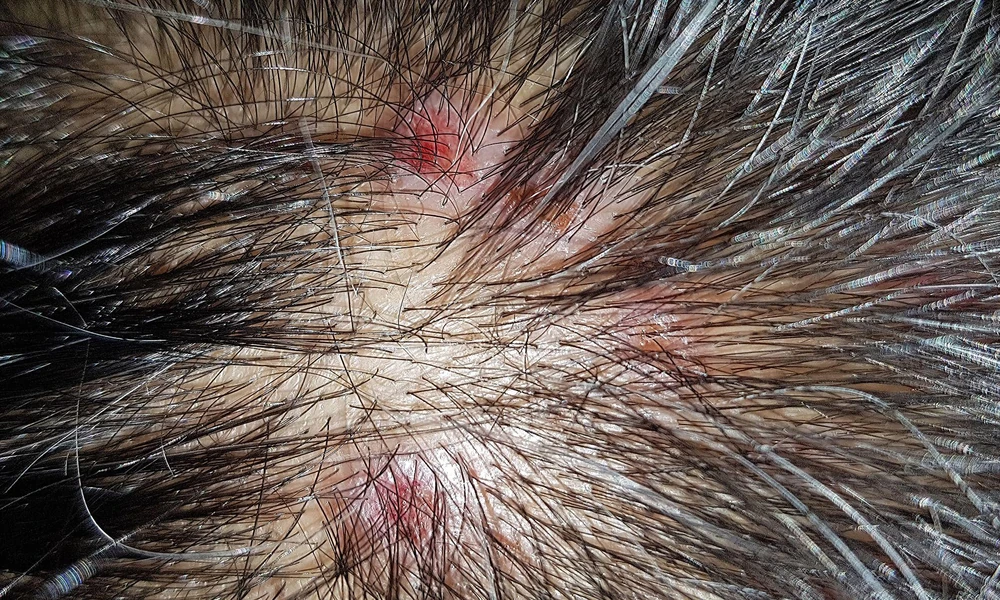
The sebum produced by your scalp is a natural oil designed to protect the skin and hair. However, when produced in excess, it becomes a food source for Malassezia, a yeast-like fungus that lives on the scalp. When this fungus over-proliferates, it causes irritation and inflammation. Chronic inflammation around the hair follicles is a major contributor to oily scalp hair loss. This process, often referred to as miniaturisation, causes the follicles to shrink and produce thinner, weaker hair until they eventually stop producing hair altogether. Managing oil levels is, therefore, a direct way to manage inflammation and protect your follicles.
2. The Accumulation of DHT
Dihydrotestosterone (DHT) is a hormone widely known to be the primary cause of male and female pattern baldness. Interestingly, DHT can often be found in higher concentrations within the sebum of the scalp. When you have an excessively oily scalp, this hormone-rich oil sits on the surface and can potentially be reabsorbed or remain in close contact with the follicles for extended periods. By using an effective hair shampoo for hair loss that is specifically formulated to deep-cleanse the scalp, you help to wash away this buildup of sebum and the hormones it contains, reducing the chemical stress on your hair roots.
3. Clogging of the Follicular Opening
Just like the pores on your face, the hair follicles on your scalp can become blocked. A mixture of excess oil, dead skin cells, and product residue can form a “plug” that obstructs the follicular opening. When this happens, the emerging hair strand has to push through a barrier, often resulting in thinner growth. Furthermore, these clogs can lead to scalp infections or folliculitis, which further damages the hair-producing cells. Regular use of a clarifying yet nourishing shampoo ensures that these pathways remain clear, allowing each hair to grow to its full potential without obstruction.
4. Poor Absorption of Topical Treatments
For those already experiencing thinning, topical treatments like tonics or essences are often used to stimulate regrowth. However, if you have an untreated oily scalp, these products may never reach the target area. The thick layer of sebum acts as a waterproof barrier, preventing the active ingredients in your hair loss products from penetrating the skin. By addressing the oiliness with a suitable hair shampoo for hair loss, you “prime” the scalp, ensuring it is clean and receptive. This makes your entire hair care routine more effective, as the nutrients can actually reach the follicles they are meant to save.
Conclusion
An oily scalp is more than just a daily grooming nuisance; it is a condition that requires careful management to prevent permanent hair thinning. By understanding how excess sebum contributes to inflammation, hormone accumulation, and pore clogging, you can take proactive steps to protect your mane. The right shampoo and a consistent cleansing routine are your first lines of defence against oily scalp hair loss. When you maintain a clean and balanced environment, you give your hair the best possible chance to grow thick and strong. Don’t let excess oil stand in the way of your hair goals.
To find a tailored solution for your scalp needs, contact Bee Choo Origin.
