

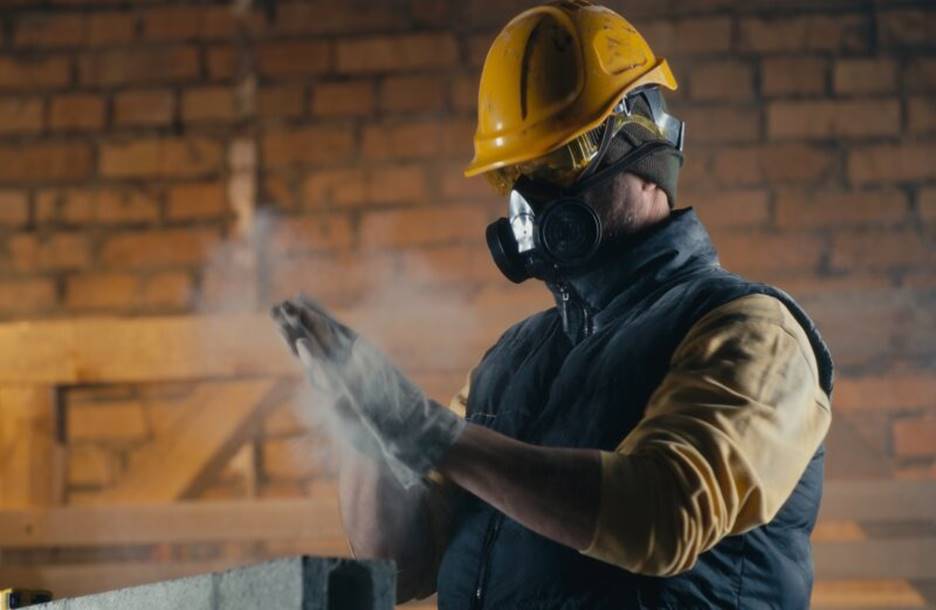
It is important to remember that protecting your respiratory health in the workplace is not negotiable, especially if you have in mind the health conditions that can happen in contagious environments.
It does not matter whether you are working in healthcare, construction or industrial environments, while you can choose the right respirator mask meaning you can safeguard against substances in the workplace environment and harmful particles.
In this particular guide, we will talk about filtering facepieces and respirators, which will help you, determine characteristics and features. That way, you can choose the one that will meet your needs and provide you with relevant comfort. At the same time, you will learn more about respirator clearance, which will help you throughout the process.
A Brief History of Respirators
Although they are modern inventions, we can differentiate forms of respirators throughout the history. Back in the Roman Empire, historians have found that workers in Roman mines used animal bladders as a form of protection against red lead oxide dust in the first century.
In the sixteenth century, Leonardo da Vinci created a weapon with toxic powder, while he suggested that soaked woven cloth should be placed over the mouths of sailors who are using them as a form of protection.
As you can see, people have been aware of necessity of protection especially regarding airborne contaminants and particles. However, in 19th century, Julius Jeffreys coined the word respirator for specific masks, who was a British surgeon known as the inventor of modern respirators.
Things You Should Know About Respirators
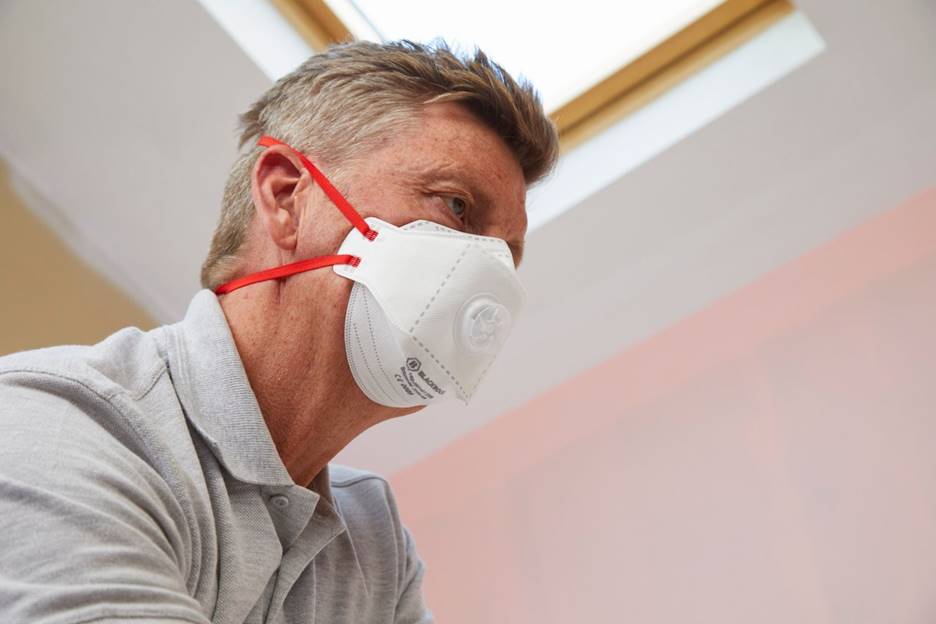
You probably understand that respirators are type of protective equipment that will protect your breathing apparatus. In most cases, we are talking about a mask that will prevent inhalation of dangerous substances. You can prevent your lungs inhaling the harmful air particles.
The best way to learn more about this particular topic is by entering here for more info. These filters are either attached to the respirators, meaning they capture the air hazards.
When it comes to level of filtration and protection that respirators are offering depends on materials you are working with. Most masks can utilize exhalation valves, which will allow you to exhale with ease, while inhaling through layers of materials created to the highest design and offering latest filtration technologies.
Masks that feature no valve will filter both ways, which is essential in certain situations. Others have working motors, battery-powered system or lack of valve altogether. Each of these mask options is specifically designed for different roles within the particular industry, while all options should suit your tasks.
Filtering Facepiece Particulate (FFP)
FFP levels are classifications under EU standards regarding respiratory protective devices. We can differentiate three levels of classification, where each one is specifically suited to meet your requirements and needs based on protection levels.
- P1 – They can handle up to eighty percent of particles, which are perfect for low-risk areas.
- P2 – They can handle up to ninety-four percent of particles, meaning you should use them in areas with medium risks.
- P3 – Finally, you can find the one that can go up to ninety-nine percent, for high-risk uses. They will offer the highest level of protection under the standard.
Proper Fit and Maintenance
First and most important factor you should remember when using respirators is a good fit. Therefore, you wish that your workforce felt comfortable; meaning the best options you can find on the market can fail unless they form a proper seal around your employees’ faces.
A lousy fitting mask is not effective, meaning it will allow harmful vapors and particles to bypass the filter and enter the respiratory system, meaning the equipment will be useless. If you wish to achieve a secure fit for respirators, you should conduct a reliable fit test.
You can do it by finding professionals who have relevant accreditation or branded face fit testing kit, which is essential for additional comfort and safety. Visit this site: https://media.defense.gov/2018/Jul/02/2001938017/-1/-1/0/CG_6010G.PDF to learn more about respirators.
As soon as you properly test and fit the process, you can check out the seals on the mask. We recommend you to it before each use, which will help you ensure the lack of problems that may place your employees in danger.
The next step is adjusting the straps. They should be evenly tightened, meaning they can maintain a comfortably tight working seal, but it should not be uncomfortable. It may take a while for getting used to everything, but with proper adjustment and fit, you can ensure the overall comfort and safety.
At the same time, you should properly maintain them to ensure the effectiveness and efficiency. Therefore, you should clear them regularly by removing contaminants and dirt with warm water and soap. At the same time, you should allow the respirator to air dry completely before storage.
Check out for signs of damage and wear or deformity before using, especially in straps, filters and sealing areas. You should change filters when breathing resistance increases after exposure to hazardous levels of particulates and gases.
