

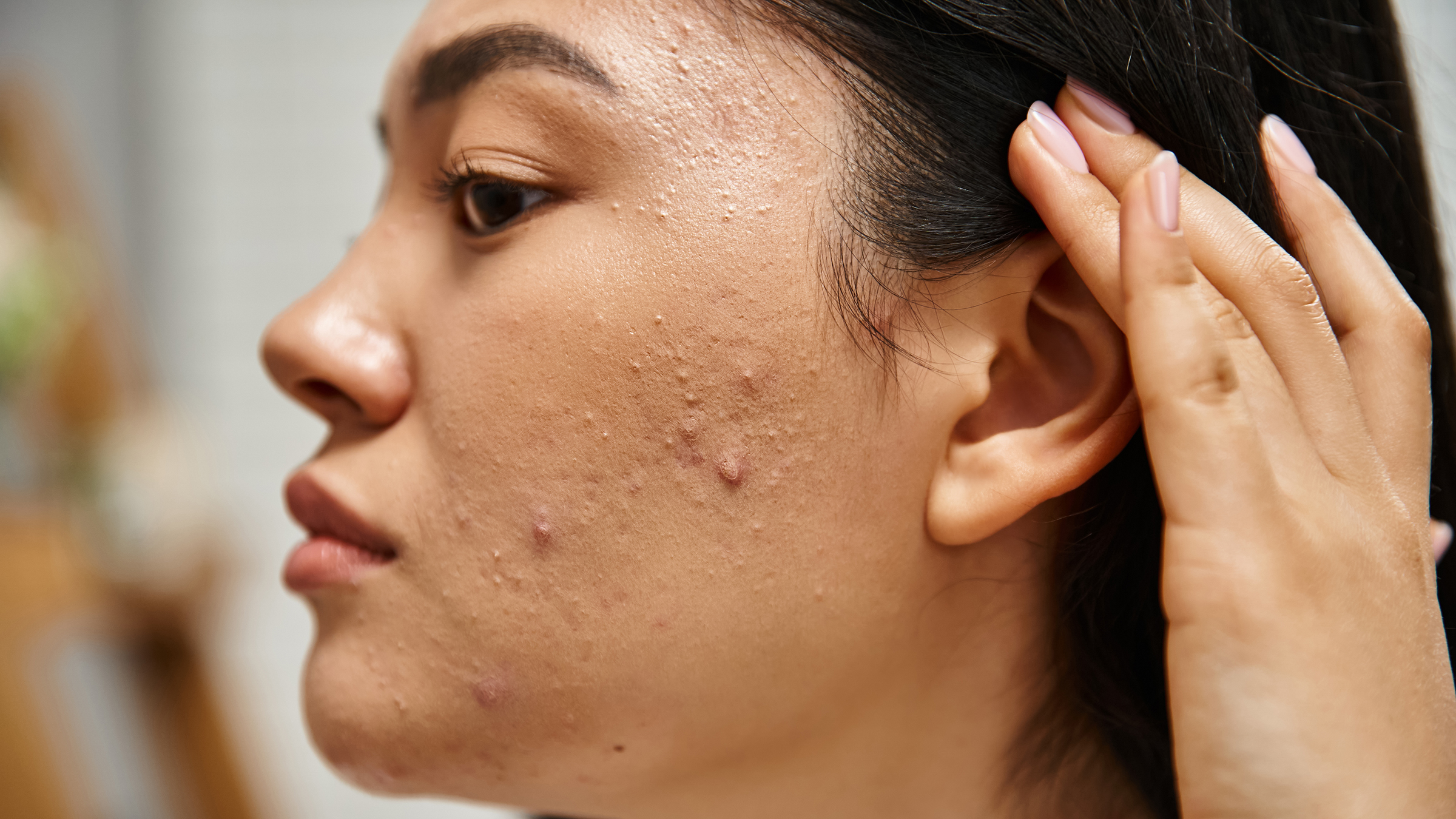
Acne is more than just a skin problem. It affects confidence, emotions, and daily life. Teenagers and adults both struggle with breakouts. These can show up as blackheads, whiteheads, or painful pimples. They often appear on the face, chest, or back.
Many people try creams, face washes, and even pills to fight acne. But not all methods work for everyone. Some products may dry the skin. Others may irritate. What’s needed is a smarter, gentle, and lasting solution.
New research suggests that natural methods can calm the skin and help prevent future breakouts. One approach gaining attention is light-based therapy. Many people now explore red light therapy benefits because this method targets acne without harsh chemicals. It works by reducing redness and calming inflammation. This gentle treatment supports healing and can be used at home or in skin clinics.
Let’s take a closer look at how to manage acne in a better way—one that brings long-term skin balance.
What Causes Acne?
To effectively address acne, it is beneficial to understand its origins. Your skin has small pores. These pores can become blocked with oil, dirt, or dead skin. When this happens, bacteria grow inside, causing swelling or pus.
Some common acne triggers include:
- Hormonal changes
- Stress
- Poor diet
- Oily or dirty skin
- Using heavy makeup or oily products
Not all acne is the same. Some people get occasional pimples, while others have chronic breakouts. That’s why your skincare routine should match your skin type and acne severity.
Choose Gentle Skincare
Rough scrubs and powerful soaps may inflict more damage than they repair. They might eliminate the skin’s natural oils, which can trigger an overproduction of oil. This can lead to new breakouts.
Here’s a basic and gentle routine:
- Wash your face twice daily with a mild cleanser.
- Use oil-free and non-comedogenic products.
- Apply a lightweight, non-greasy moisturizer.
- Don’t pop or squeeze pimples.
Consistency is key. Stick to your routine even when your skin seems clear.
The Role of Light in Acne Treatment
Many dermatologists now use light to help treat acne. Red and blue lights are the most common.
Blue light targets acne-causing bacteria. Red light reduces swelling and speeds up healing. When used together, they offer a powerful and safe way to improve skin health.
Among the two, red light has gained popularity for its long list of benefits. It not only helps with acne but also boosts collagen, improves skin tone, and reduces scars. These red light therapy benefits make it a great option for those looking for a natural, gentle treatment with long-lasting effects.
Balance Your Diet
Your skin reflects what you eat. A diet filled with sugar, dairy, or processed food may trigger breakouts in some people.
Try eating more of these:
- Leafy greens like spinach and kale
- Fresh fruits, especially berries and oranges
- Omega-3 rich foods like walnuts and salmon
- Whole grains and water-rich vegetables
Drink at least 7–8 glasses of water daily. A well-hydrated body keeps the skin healthy and glowing.
Manage Stress Levels
Stress doesn’t cause acne directly, but it can make it worse. When you’re stressed, the body produces hormones that trigger oil glands. This leads to clogged pores and inflammation.
To keep stress in check:
- Practice deep breathing
- Try meditation or yoga
- Go for regular walks
- Get enough sleep
Even 10 minutes of relaxation a day can help your skin stay balanced.
Avoid Overloading Your Skin
Many people think using more products will fix acne faster. But applying too many creams or switching products often can irritate the skin.
Avoid these habits:
- Layering too many active ingredients (like acids or retinol)
- Using expired products
- Washing your face more than twice a day
Instead, give each product time to work. It usually takes 4 to 6 weeks to see real results.
Use Sun Protection
Some acne treatments can make the skin sensitive to sunlight. This can lead to redness, dryness, or even dark spots.
Always apply sunscreen before stepping outside. Choose one that’s:
- Oil-free
- Non-comedogenic
- At least SPF 30
Even on cloudy days, sunscreen protects your skin from damage and aging.
When to See a Dermatologist
If acne becomes painful, spreads fast, or leaves scars, it’s time to see a skin doctor. A dermatologist can offer stronger treatments or therapies that suit your skin type.
Options may include:
- Prescription creams
- Oral medications
- Light therapy sessions
- Chemical peels or laser treatments
A professional opinion can save time and prevent long-term skin damage.
Final Thoughts
Managing acne doesn’t have to be a fight. With the right care and smart choices, you can move from breakouts to balanced, clear skin. Simple steps like a healthy routine, good food, stress control, and gentle treatments go a long way.
Modern methods, including the red light therapy benefits, give people new hope. They show that acne can be treated in a kinder, smarter, and more natural way.
Stay patient, be kind to your skin, and remember—clear skin is a journey, not a race.
